
Alma Thomas
Methods
I am motivated by curiosity and a deep interest in developing the best possible tools for understanding the social world. My methods work spans qualitative innovation, computational analysis, and program evaluation, always in service of research that is rigorous, transparent, and useful.
Projects
Across my career, I have pursued methods that are innovative, rigorous, and designed to reach the people and questions that matter most. I advanced the development of asynchronous online focus groups and text message-based interviewing as research methods, publishing on both and applying them across multiple federally funded studies. I am now applying large language models to analyze crisis counseling conversations at scale, with careful attention to validity and interpretability. I have also led collaborative research processes that brought community partners on as co-authors and presented findings to the communities most affected by this work.
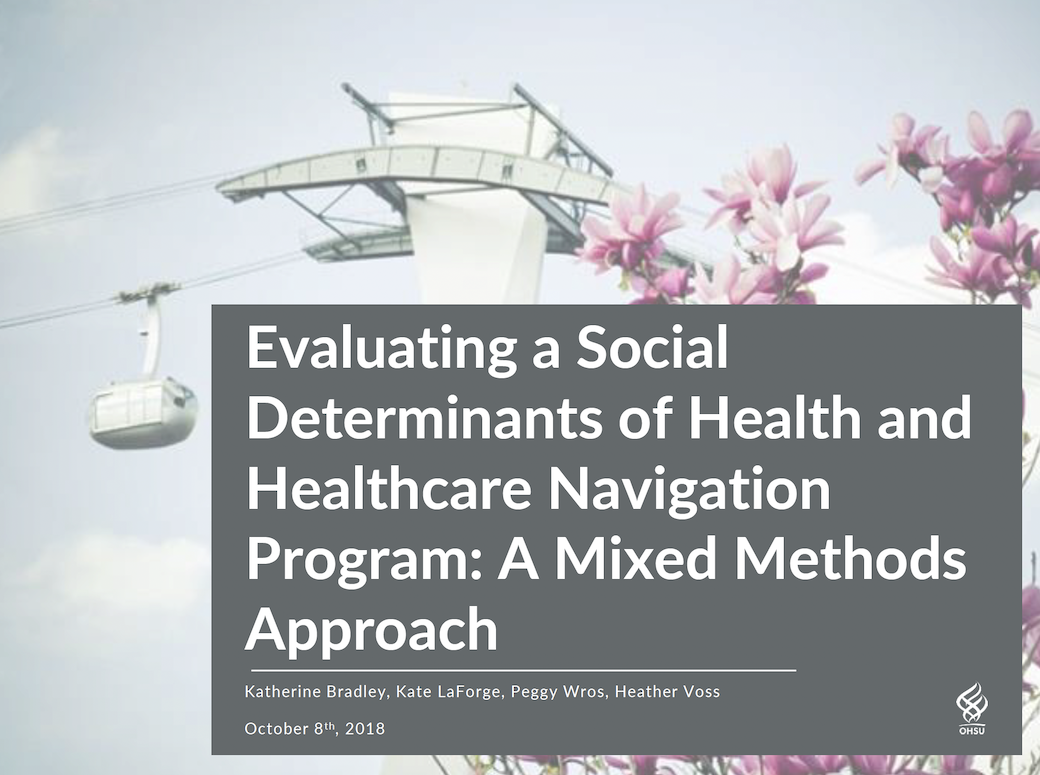
A Mixed Methods Approach to Program Evaluation
A practical introduction to mixed methods evaluation, explaining what it is, how to design and implement it, and why getting the methods right matters ethically as well as scientifically.
Oregon Health Association Conference
Making Research Accessible
An overview of strategies for making research findings accessible to everyone, from non-scientific audiences to people with disabilities, covering reading level, visual design, and practical approaches to audience tailoring.
Internal Presentation
Designing Healthcare Technology for People who Hate It
Presentation at Donut.js tech meet-upA presentation on designing electronic health records in partnership with nurses, centering the perspectives of frontline users who needed the technology to work in practice, not just in theory.